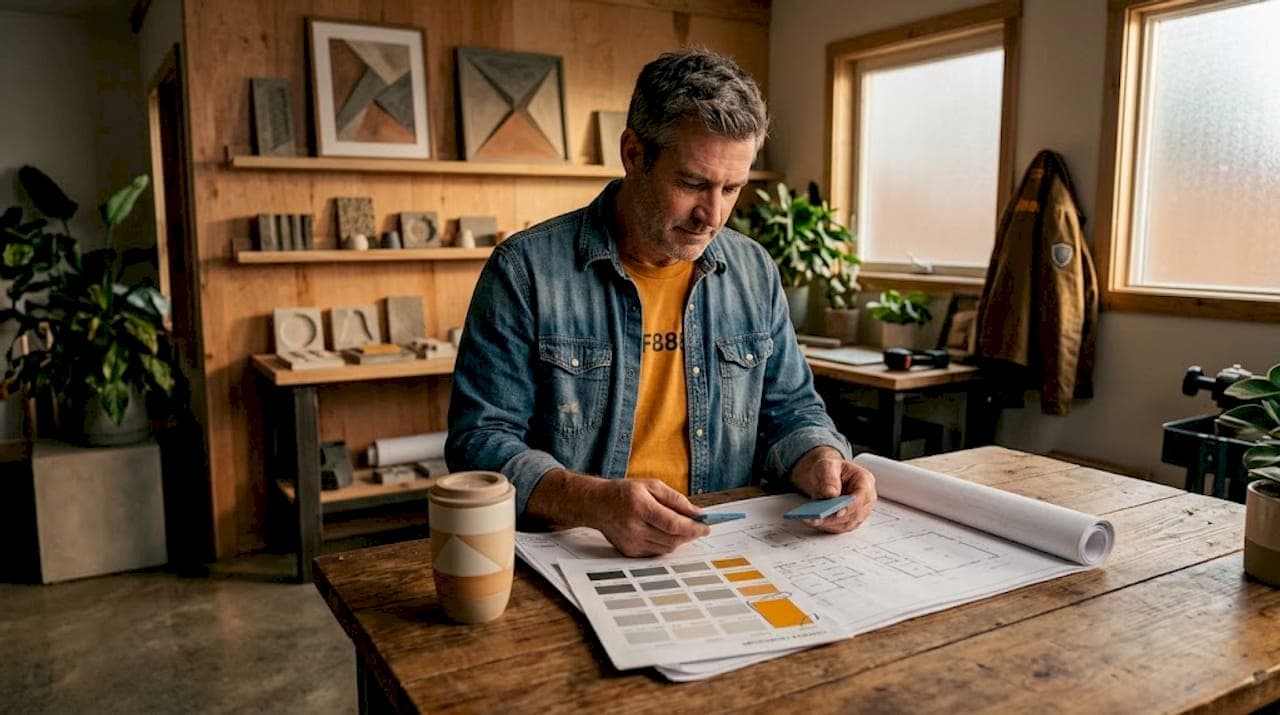
Picking the right color for your concrete patio, pool deck, or walkway sounds simple until you're staring at dozens of sample chips and second-guessing every option. Decorative concrete color selection is one of those decisions that looks purely aesthetic on the surface but actually touches on heat absorption, slip safety, maintenance frequency, and long-term cost. Get it right and your outdoor space looks intentional and polished for years. Get it wrong and you're resealing every season or living with a color that clashes with your home's exterior. This guide walks you through everything you need to make a confident call.
Table of Contents
- Key takeaways
- Decorative concrete color selection: methods and options
- Key factors when choosing outdoor concrete colors
- Step-by-step guide to selecting and applying colors
- Common mistakes and how to avoid them
- Costs and maintenance for colored concrete
- My honest take on color selection after 20 years
- Get expert help with your concrete color project
- FAQ
Key takeaways
| Point | Details |
|---|---|
| Method matters as much as color | Integral color, stains, and dyes each behave differently in durability, appearance, and upkeep. |
| Function shapes the right choice | Dark colors absorb heat and glossy sealers reduce traction, so usage context should drive decisions. |
| Surface prep determines results | Poor prep leads to uneven color and adhesion failures regardless of product quality. |
| Budget for the full picture | Decorative concrete runs $8 to $15 per square foot, and color method affects long-term maintenance costs. |
| Sealer choice changes everything | The sealer you pick affects color vibrancy, texture, and safety more than most homeowners expect. |
Decorative concrete color selection: methods and options
Before you fall in love with a particular shade, you need to understand how color actually gets into or onto concrete. The method you choose shapes how the color looks, how long it lasts, and how much work it takes to maintain.
Integral color is pigment mixed directly into the concrete before it's poured. This approach produces color that runs all the way through the slab, so chips and surface wear don't expose a different-colored layer underneath. Integral color runs through the slab, making it far more resistant to chipping than surface-applied options. The trade-off is a more limited color palette and the fact that you're committing before you see the finished product.
Acid stains and water-based stains are applied after the concrete cures. Acid stains react chemically with the concrete surface to produce variegated, marbled effects in earthy tones. Water-based stains offer a broader color range and more predictable results. Both require a properly cured, clean surface to bond correctly.
Decorative concrete dye penetrates the surface faster than stains and produces more vivid, consistent color. Dyes work well for interior applications but fade more quickly outdoors under UV exposure. For pool decks and patios in Alabama's sun, this matters a lot.
Here's a quick comparison to help you weigh your options:
| Method | Durability | Color Range | Maintenance | Best For |
|---|---|---|---|---|
| Integral color | High | Moderate | Low | Driveways, patios, slabs |
| Acid stain | Medium-High | Earthy tones | Moderate | Patios, walkways |
| Water-based stain | Medium | Wide | Moderate | Decorative overlays |
| Concrete dye | Medium | Very wide | High (UV fade) | Interior or shaded areas |
Pro Tip: Request a sample pour or test patch before committing to any color method. Concrete color looks different wet versus dry, and the final sealed result can shift the tone significantly.
Integrally colored concrete suits areas needing durability and consistent color, while stains offer more variety but require more upkeep. Knowing this upfront saves a lot of frustration down the road.
Key factors when choosing outdoor concrete colors
Color is personal, but a few objective factors should shape your decision before aesthetics take over.
Architectural style and landscape design. Your concrete color should feel like it belongs to the property, not like it was chosen in isolation. Warm tans and terracottas complement brick homes and traditional landscaping. Cooler grays and charcoals suit modern architecture and clean-lined outdoor furniture. Take photos of your home's exterior, roof color, and surrounding hardscape before walking into any showroom.
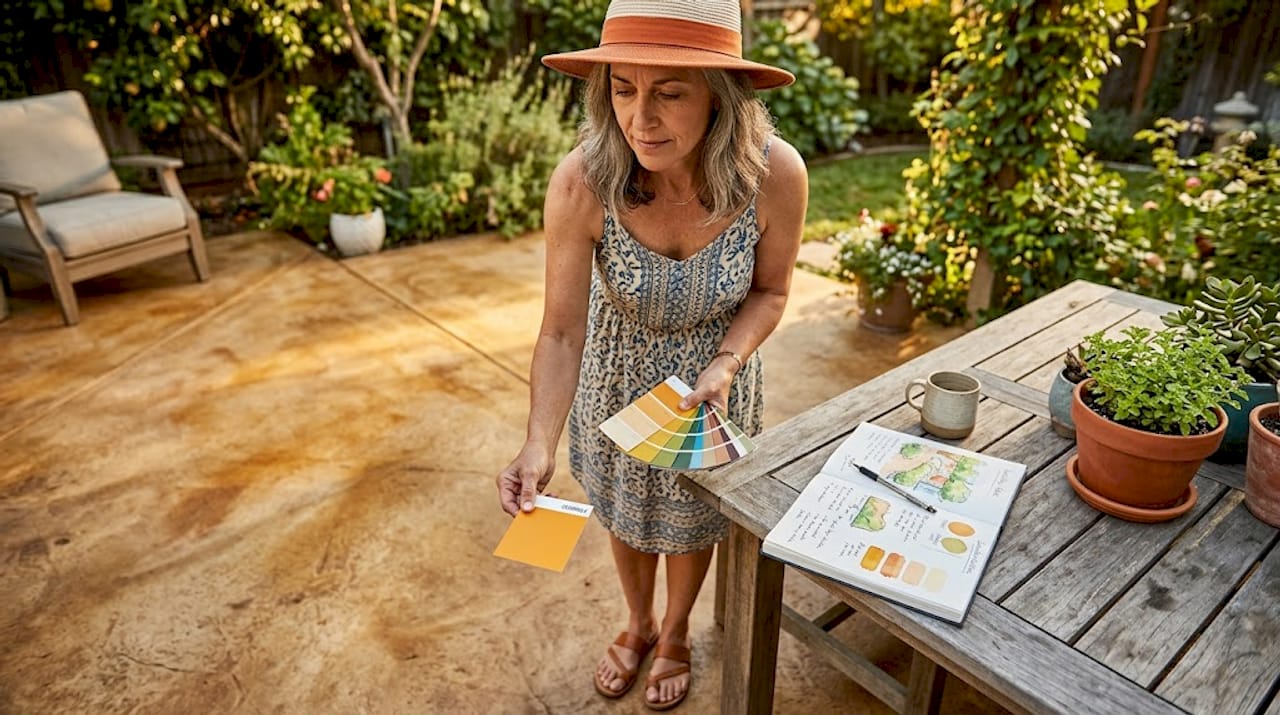
Heat absorption and surface comfort. This one catches people off guard. Dark colors absorb more heat and can become uncomfortable underfoot around pools or in direct sun. If you're designing a pool deck in a hot climate, lighter shades like buff, cream, or light gray are not just aesthetic choices. They're practical ones that keep the surface walkable on summer afternoons.
UV exposure and fading. UV rays break down sealers and reduce color vibrancy over time, particularly with darker shades and dyes. Integral color holds up better than surface-applied options under prolonged sun exposure because the pigment isn't just sitting on top. If your space gets full sun most of the day, factor this into your method choice, not just your color choice.
Slip resistance and safety. Slip-resistant finishes are recommended for pool decks and wet areas. A glossy sealer can make colored concrete look stunning in photos but turn a pool deck into a hazard when wet. Balancing aesthetics with function is critical here. A matte or satin sealer gives you color protection without sacrificing grip.
- Match color tone to your home's exterior palette before choosing a specific shade
- Choose lighter colors for sun-exposed pool decks to reduce heat absorption
- Avoid high-gloss sealers in wet areas regardless of how good they look in samples
- Consider how the color reads in both morning and afternoon light before finalizing
Pro Tip: Bring a photo of your home's exterior, roof shingles, and any existing hardscape to your color consultation. Contractors who specialize in decorative concrete can match or complement existing materials far more accurately with visual references in hand.
Step-by-step guide to selecting and applying colors
A clear process keeps you from making expensive decisions out of order. Here's how to move from idea to finished surface without backtracking.
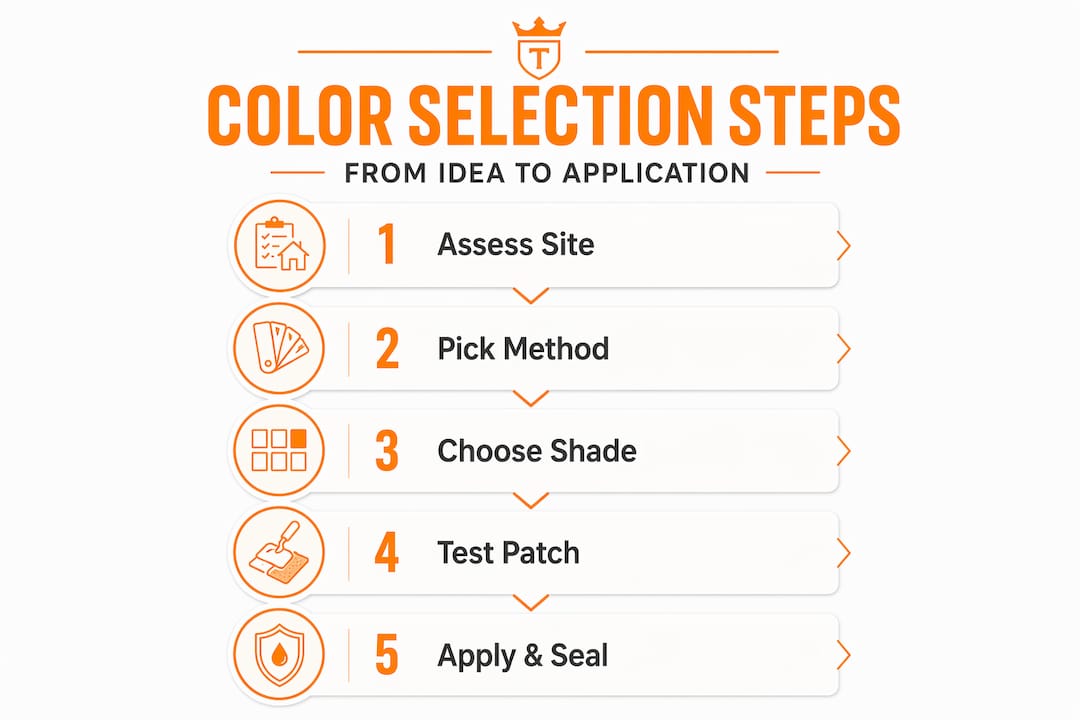
1. Assess the project scope and environment. Is this a shaded patio or a sun-baked driveway? Will the surface get heavy foot traffic, vehicle weight, or pool water? Your answers determine which coloring method makes sense before you even look at color chips.
2. Select the right color method for the use case. For high-traffic driveways and patios, integral color is the most durable choice. For decorative overlays or resurfaced concrete where you want custom concrete color blends and artistic effects, stains and dyes give you more creative range.
3. Coordinate color with your concrete mix and surface finish. The base concrete mix affects how color reads. A gray cement base shifts warm pigments cooler. A white cement base makes colors appear truer and more vivid. Broom finishes, exposed aggregate, and stamped textures all interact with color differently. Stamped concrete runs $12 to $15 per square foot depending on pattern complexity, and the color choice is built into that process from the start.
4. Prepare the surface properly. For stains and dyes on existing concrete, cleaning is everything. Oil, grease, curing compounds, and old sealers all block penetration and cause uneven color. Grind or acid-etch the surface as needed. For new pours with integral color, follow the mix design exactly and avoid adding extra water, which dilutes pigment concentration.
5. Apply color and sealer under the right conditions. Apply sealer on a dry, clean surface at cooler times of day to prevent whitening or bubbling. Avoid application before rain or in direct hot sun. Two thin coats outperform one thick coat every time.
| Step | Key Action | Common Mistake to Avoid |
|---|---|---|
| Assess environment | Identify sun, traffic, and moisture exposure | Choosing color before understanding usage |
| Select method | Match method to durability and aesthetic needs | Defaulting to dye for outdoor spaces |
| Prep surface | Clean, grind, or etch as required | Skipping prep on "clean-looking" concrete |
| Apply color | Follow manufacturer mix ratios precisely | Adding water to integral mix to ease pour |
| Seal properly | Apply in cool, dry conditions in thin coats | Sealing in direct sun or over damp concrete |
Pro Tip: Always test your chosen color on a small, inconspicuous area first. Concrete color shifts as it cures and again once sealed. What you see at day one is rarely what you get at day seven.
Common mistakes and how to avoid them
Even experienced contractors get tripped up on colored concrete. Knowing where things go wrong puts you ahead.
- Choosing the wrong sealer. Film-forming sealers produce a glossy wet look, while penetrating sealers give a natural matte finish. Using a high-gloss sealer on a pool deck or shaded patio prone to algae growth is a safety and maintenance problem waiting to happen.
- Skipping surface prep. Contaminated or improperly cured concrete leads to blotchy, uneven color that no amount of resealing will fix. This is the single most common cause of color failures on stained surfaces.
- Ignoring UV exposure. Darker shades and dyes fade faster under prolonged sun. If you're set on a deep charcoal or rich red, plan for more frequent resealing and accept that the color will mellow over time.
- Mismatched repair work. When you need to patch colored concrete, matching the original color exactly is nearly impossible without professional help. Regular maintenance and resealing extend the life of the surface and reduce the need for patching in the first place.
"The most expensive mistake in decorative concrete isn't choosing the wrong color. It's choosing the right color and applying it over a poorly prepped surface."
Pro Tip: Keep a record of the exact pigment formula, mix ratios, and sealer product used on your project. If you need repairs or resealing years later, that information is worth its weight in gold for color consistency.
Costs and maintenance for colored concrete
Understanding the financial side of decorative concrete color selection helps you plan without surprises.
Decorative concrete installations cost between $8 and $15 per square foot compared to standard concrete at $5 to $8. Integral color adds roughly $1 to $2 per square foot to a standard pour, which translates to $400 to $800 for a typical 400-square-foot patio. Stains and dyes vary more widely based on labor and surface condition.
| Color Method | Upfront Cost (per sq ft) | Resealing Frequency | Long-Term Maintenance |
|---|---|---|---|
| Integral color | +$1 to $2 | Every 3 to 5 years | Low |
| Acid stain | +$2 to $4 | Every 2 to 3 years | Moderate |
| Water-based stain | +$1 to $3 | Every 2 to 3 years | Moderate |
| Concrete dye | +$1 to $3 | Every 1 to 2 years | High |
The decorative concrete resurfacer market is projected to reach $7 billion by 2033, driven by homeowners wanting natural stone and tile looks at lower cost. Trends in concrete color are moving toward warmer neutrals, soft grays, and textured finishes that mimic natural materials. Choosing a color in that range gives you a look that feels current without being trendy enough to date quickly.
Pro Tip: Penetrating sealers cost more upfront but last significantly longer than topical film-forming sealers. Over a 10-year window, they typically cost less and require fewer applications, making them the smarter long-term investment for most outdoor surfaces.
My honest take on color selection after 20 years
I've seen homeowners spend weeks agonizing over color chips and then rush through the sealer decision in five minutes. That's backwards. In my experience, the sealer choice affects the final look and long-term performance more than the color itself. A beautiful terra cotta with the wrong sealer looks cheap and fades fast. The same color with the right penetrating sealer looks rich and holds up for years.
The other thing I've learned is that people consistently underestimate maintenance. Stains and dyes look incredible when they're fresh and properly sealed. But they need attention. If you're not willing to reseal every two to three years and clean the surface properly, integral color is a smarter choice even if the color range is narrower.
I also push back on the idea that darker colors are always more dramatic and sophisticated. In Alabama's heat, a deep charcoal patio absorbs enough heat to make it genuinely uncomfortable by midday in July. I've had clients love their color choice in April and regret it by August. Lighter tones like warm buff, soft gray, and natural tan hold up better in the heat, age more gracefully, and photograph just as well.
My advice: visit some completed project examples before you commit to anything. Seeing how colors perform in real outdoor conditions over time is worth more than any sample chip.
— David
Get expert help with your concrete color project
Choosing the right color for your concrete is only half the work. The application, prep, and sealer decisions are where projects succeed or fall apart. At Thetopchoiceconcrete, we've spent over 20 years helping Birmingham-area homeowners get colorful concrete finishes that look great and last. From selecting concrete stains to applying integral pigments on new pours, our team handles every step with the attention to detail that color work demands. Explore our full range of decorative concrete services or request a free estimate to get personalized guidance on the best decorative concrete colors for your specific space and budget.
FAQ
What is the most durable decorative concrete color method?
Integral color is the most durable option because the pigment runs through the entire slab rather than sitting on the surface. It resists chipping and fading better than stains or dyes, especially in high-traffic outdoor areas.
How do I choose concrete colors for a pool deck?
Choose lighter shades to reduce heat absorption and select a matte or satin sealer over a glossy one to maintain slip resistance. Slip-resistant finishes are specifically recommended for pool decks where wet surfaces are a constant safety concern.
How often does colored concrete need to be resealed?
Resealing frequency depends on the method and sealer type. Integral color with a penetrating sealer typically needs resealing every three to five years, while surface-applied stains and dyes may need attention every one to three years depending on sun exposure and traffic.
Does concrete color fade over time?
Yes, all concrete colors fade to some degree with UV exposure, but the rate depends on the method and sealer quality. Darker shades and dyes fade faster than integral color, and regular resealing significantly slows the process.
Can I change the color of existing concrete?
Yes. Water-based stains, acid stains, and decorative concrete dye can all be applied to existing cured concrete surfaces. Proper surface prep, including cleaning and removing old sealers, is critical for even color penetration and adhesion.